How to Protect Your Social Media Accounts from Hackers

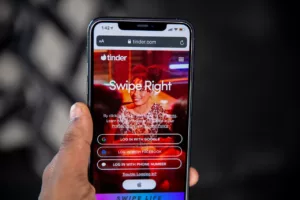
Social media has become a major part of everyday life, allowing people to stay connected with friends, share personal experiences, grow businesses, and build online communities. However, as social media platforms continue to grow, cybercriminals are increasingly targeting users through scams, phishing attacks, and account takeovers. Learning How to Protect Your Social Media Accounts from Hackers is essential for anyone who wants to keep personal information, conversations, and online identities safe from cyber threats.
According to the Federal Bureau of Investigation and the Cybersecurity and Infrastructure Security Agency, compromised passwords and phishing scams remain some of the most common causes of hacked online accounts. Cybercriminals often use automated software to search for weak passwords and vulnerable accounts, meaning anyone can become a target regardless of how large or small their online presence may be.
A hacked social media account can lead to serious consequences, including stolen personal information, fraudulent messages sent to followers, damaged reputations, and even identity theft. Businesses, influencers, and everyday users can all suffer financial and emotional stress after losing control of their accounts. Fortunately, taking a few proactive security measures can significantly reduce the risk of becoming a victim.
Table of Contents
Create Strong and Unique Passwords
One of the most effective ways to prevent account hacking is by creating strong and unique passwords for every social media account. Passwords act as the first line of defense against cybercriminals, so weak passwords make accounts much easier to compromise.
Strong passwords should:
- contain at least 12–16 characters,
- include uppercase and lowercase letters,
- use numbers and symbols,
- and avoid common words or personal information.
Avoid using:
- birthdays,
- pet names,
- phone numbers,
- or simple combinations like “password123.”
Using the same password across multiple accounts is also risky. If hackers gain access to one account, they may attempt to use the same password on other platforms.
Password managers are highly recommended because they generate and securely store complex passwords. Instead of remembering dozens of passwords, users only need to remember one secure master password.
How to Secure Social Media Accounts With Two-Factor Authentication
Two-factor authentication (2FA) adds an important extra layer of security beyond passwords. Even if someone steals your password, 2FA can prevent unauthorized access by requiring a second form of verification.
Most social media platforms, including:
- Facebook,
- Instagram,
- and X
offer built-in 2FA options through their security settings.
Common 2FA methods include:
- text message verification codes,
- authenticator apps,
- and hardware security keys.
Authenticator apps such as Google Authenticator and Authy are generally more secure than SMS verification because they are less vulnerable to SIM-swapping attacks.
Enabling 2FA is one of the best methods for anyone learning how to secure social media accounts effectively.
Recognize and Avoid Phishing Scams
Phishing attacks are among the most common ways hackers steal login credentials. These scams often appear as emails, text messages, or direct messages pretending to come from legitimate companies or social media platforms.
Common phishing warning signs include:
- urgent requests for account verification,
- suspicious links,
- poor grammar or spelling,
- unexpected password reset messages,
- and requests for sensitive information.
Hackers often create fake login pages that look nearly identical to legitimate websites. Entering login information on these fake pages can instantly give criminals access to your accounts.
To avoid phishing scams:
- never click suspicious links,
- type website addresses directly into your browser,
- verify messages before responding,
- and avoid downloading unexpected attachments.
Developing cautious online habits is one of the smartest ways to learn how to protect social media from hackers.
How to Enhance Social Media Privacy
Understanding how to enhance social media privacy is another critical part of online security. Many users unknowingly share large amounts of personal information publicly, making it easier for criminals to gather details used for hacking attempts or identity theft.
Review privacy settings regularly and limit who can view:
- personal photos,
- birthdays,
- locations,
- phone numbers,
- and family information.
Keeping profiles private or restricting visibility to trusted friends can reduce exposure to scammers and cybercriminals.
Users should also regularly review connected third-party apps. Many applications request access to social media accounts, and older unused apps may create unnecessary security risks. Remove any apps that are no longer needed or appear suspicious.
Additional security settings worth enabling include:
- login alerts,
- device activity monitoring,
- suspicious login notifications,
- and backup recovery options.
These features can provide early warnings if someone attempts to access your account.
Monitor Accounts and Stay Informed
Cybersecurity threats constantly evolve, so staying informed about new scams and hacking techniques is extremely important. Following trusted cybersecurity organizations and technology news sources can help users recognize emerging threats before becoming victims.
Online tools such as Have I Been Pwned allow users to check whether their email addresses have been exposed in known data breaches. If an email appears in a breach, passwords associated with that account should be changed immediately.
Regularly checking account activity and login history can also help detect unauthorized access early. Many social media platforms allow users to view:
- active sessions,
- connected devices,
- login locations,
- and recent account activity.
If anything suspicious appears, users should log out of all devices and reset passwords immediately.
What to Do if Your Social Media Account Gets Hacked
If a social media account becomes compromised, acting quickly can help limit the damage.
Important recovery steps include:
- Change passwords immediately.
- Enable or reset two-factor authentication.
- Log out of suspicious devices or active sessions.
- Review connected email accounts for unauthorized access.
- Warn followers about suspicious messages or scam posts.
- Remove unknown third-party applications.
- Report the hacked account to the platform.
Most social media companies provide recovery tools that guide users through restoring account access and verifying their identities.
It is also important to monitor financial accounts and personal information after a hack, especially if payment details or sensitive data may have been exposed.
Final Thoughts
Learning How to Protect Your Social Media Accounts From Hackers is no longer optional in today’s digital world. Social media platforms contain valuable personal information that cybercriminals actively target through phishing scams, weak passwords, and privacy vulnerabilities.
By creating strong passwords, enabling two-factor authentication, recognizing phishing attempts, and understanding how to enhance social media privacy, users can significantly reduce the risk of account hacking.
Cybersecurity is an ongoing process, not a one-time task. Staying alert, monitoring account activity, and following smart online habits are some of the most effective ways to maintain control of personal information and protect social media accounts from hackers.
Thank you, and I hope you found this article both interesting and informative. Feel free to share your comments or questions below and click here for more information on identity theft protection.
Additionally, click here to explore my other website to gain insights into essential investigative techniques employed by detectives and crime scene investigators.