
Preventing Cyberstalking And Harassment

Cyberstalking and online harassment have become increasingly common in today’s digital world, making Preventing Cyberstalking and Harassment an essential topic for anyone who uses social media, email, or online platforms. While both issues occur online, cyberstalking typically involves repeated targeting and monitoring of a specific individual, whereas online harassment can include a wider range of abusive, threatening, or harmful behaviors. Understanding the difference is the first step in recognizing risk and taking protective action.
The impact of cyberstalking goes far beyond uncomfortable messages. Victims often experience anxiety, fear, stress, and disruptions in their personal and professional lives. In severe cases, it can affect mental health and overall safety. Because of this, awareness and education around cyber harassment support resources and prevention strategies are critical for everyone, regardless of age or online experience.
Reports from organizations such as the Federal Bureau of Investigation highlight that online harassment and cyberstalking cases continue to rise each year, affecting millions of users worldwide. This growing trend emphasizes the need for stronger awareness, better digital habits, and improved safety tools.
Table of Contents
Understanding Risk Factors and Vulnerable Groups
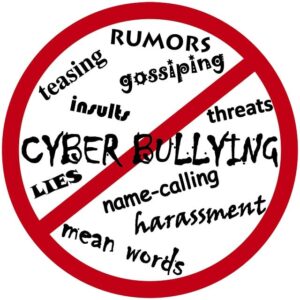
Cyberstalking and online harassment can affect anyone, but certain groups face higher exposure. Women, teenagers, young adults, journalists, influencers, and public-facing professionals are often at greater risk due to visibility and online engagement.
Risk factors often include:
- Oversharing personal information online
- Using weak privacy settings
- Public social media profiles
- Engaging in frequent public debates or controversial discussions
- Accepting unknown friend or follow requests
Practicing cyberstalking prevention strategies starts with understanding how exposure increases vulnerability. Even small details such as location tags, workplace information, or travel updates can be used by malicious actors to track or target individuals.
Recognizing Early Warning Signs of Online Harassment
Early detection is one of the most effective online harassment prevention tips. Warning signs may start small but can escalate quickly if ignored.
Common red flags include:
- Repeated unwanted messages or contact attempts
- Fake or suspicious social media accounts
- Threatening or controlling language
- Monitoring behavior (such as commenting on your activity across platforms)
- Sudden increase in unknown friend requests
Modern platforms often provide tools to detect unusual activity, such as login alerts and message filters. Paying attention to these signals helps prevent escalation.
Protective Measures for Preventing Cyberstalking and Harassment
Strong digital habits are essential for safety. One of the most effective cyberstalking prevention strategies is securing accounts before problems occur.
Key protective actions include:
- Using strong, unique passwords for each account
- Enabling two-factor authentication
- Regularly updating privacy settings
- Blocking and reporting suspicious users
- Limiting personal information shared publicly
Learning how to block online harassers is also critical. Most platforms allow users to instantly restrict communication, remove visibility, and report abusive behavior. These tools should be used without hesitation when threats or harassment occur.
Education also plays a major role. Participating in digital safety workshops or using trusted online resources helps users stay informed about evolving threats and new protection tools.
Guide to Online Harassment Laws and Reporting
Understanding your rights is a key part of digital safety. A proper guide to online harassment laws helps users recognize what constitutes illegal behavior and how to respond appropriately.
In many regions, laws define cyberstalking as repeated, unwanted communication or surveillance that causes fear or distress. These laws allow victims to seek legal protection and report offenders.
Knowing how to report cyberstalking incidents is essential:
- Document all evidence (screenshots, messages, emails)
- Report the behavior to the platform
- File a report with local law enforcement if necessary
- Use official reporting systems such as the Federal Trade Commission reporting portals when applicable
Proper documentation strengthens any legal case and increases the likelihood of effective action.
Cyber Harassment Support Resources and Community Help
Victims should never feel isolated when facing online harassment. There are many cyber harassment support resources available, including government agencies, nonprofit organizations, and advocacy groups.

Helpful resources include:
- Federal Bureau of Investigation
- Federal Trade Commission
- Online safety organizations and digital rights advocacy groups
These organizations provide education, reporting tools, and recovery guidance for victims of cyberstalking and harassment.
Community awareness is also important. Sharing experiences and supporting others helps create safer online environments and encourages early reporting of harmful behavior.
Building Safer Digital Habits for Long-Term Protection
Long-term protection requires consistent digital awareness. Practicing strong online harassment prevention tips reduces risk significantly over time.
Best practices include:
- Regularly reviewing privacy settings
- Avoiding oversharing personal details
- Monitoring account activity
- Staying informed about new scams and threats
- Using platform safety features proactively
Learning how to secure social media accounts and online profiles helps users maintain control over their digital identity and reduce exposure to potential attackers.
Final Thoughts
Preventing cyberstalking and online harassment requires awareness, preparation, and consistent digital safety habits. By understanding warning signs, applying strong privacy protections, and using available reporting systems, individuals can significantly reduce their risk.
With the right cyberstalking prevention strategies, access to cyber harassment support resources, and knowledge of how to report cyberstalking incidents, users can take meaningful steps toward safer online experiences. Building a safer digital world is a shared responsibility, and informed users are the strongest line of defense.
Thank you for reading this article. I hope you found it helpful, informative, and easy to understand. If you have any questions, thoughts, or experiences related to this topic, feel free to leave a comment below.
If you found this useful, you may also be interested in reading: Identity theft prevention for women, where I go deeper into practical tips and strategies on this subject.
Additionally, you can explore my other work on real-world investigative practices, where I share insights into criminal investigations, evidence analysis, and field techniques used by professionals in the field.
W. Mac